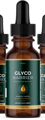
The seller highlights chromium picolinate and five botanical extracts, and its FAQ describes a broader blend that includes two more herbs. The Supplement Facts panel on your bottle is the authority on amounts. Research on herbs for blood sugar is limited and mixed, so we describe them as traditional ingredients and never as treatments.*
GlycoBarrier1. Chromium Picolinate
The one mineral in the formula. Chromium is a trace mineral, needed only in minute amounts, and picolinate is a form chosen for how well it is taken up. Broccoli, whole grains, meat and nuts supply small amounts in a normal diet.
GlycoBarrierThe seller calls it the key mineral. Studies on chromium and blood sugar are mixed, and real chromium shortage is uncommon.
GlycoBarrierGood to know: It can add to diabetes medicine and can reduce how well thyroid medicine is absorbed. Ask first if you have kidney or liver disease.
2. Gymnema Sylvestre Leaf Extract
A traditional leaf from India. Gymnema is a woody climber of the Indian subcontinent whose leaves have a place in Ayurvedic practice. Chewing the leaf briefly blunts the taste of sweetness.
The seller presents it as the traditional herb tied to glucose metabolism. Human studies are small and mixed.
Good to know: It may lower blood sugar, so it matters with diabetes medicine or insulin, and rare liver injury has been reported.
3. Maca Root Extract
An Andean root for vitality. Maca is a hardy root grown at high altitude in Peru, eaten for centuries and sold today as flour, capsules and extracts.
The seller describes it as a botanical for vitality and everyday energy. Research in people is limited.
Good to know: Maca may matter for the thyroid in larger amounts. Ask first if you have a thyroid or hormone-sensitive condition.
4. Green Tea Leaf Extract
Tea catechins, concentrated. This extract concentrates the polyphenols in green tea leaves, and most carry a little caffeine.
The seller notes its antioxidant compounds. Studies on metabolism are small and mixed.
Good to know: Concentrated extracts have been linked to rare liver injury, especially on an empty stomach. Stop and get care for yellow skin or eyes or dark urine.
5. Ginseng Root
A classic tonic root. Ginseng is the root of Panax plants, a staple of East Asian herbal practice for over two thousand years.
The seller's FAQ lists it among the botanical blend. Its separate amount is not shown.
Good to know: Ginseng may lower blood sugar, can change how warfarin works and can cause insomnia. Ask first if you take MAOI antidepressants.
6. Coleus Forskohlii Root Extract
A mint-family root from India. Coleus forskohlii is related to mint. Its root contains forskolin, and Ayurvedic practice has long used the plant.
The seller notes that it often appears in metabolism formulas. Human studies are small.
Good to know: It can lower blood pressure and may affect clotting. Ask first if you take blood pressure medicine or blood thinners.
7. Cayenne Pepper Fruit Extract
Chili pepper heat. Cayenne extract comes from hot chili peppers, whose capsaicin can raise body warmth briefly.
The seller associates it with circulation and warmth. Studies are modest.
Good to know: It can cause heartburn and stomach upset and may nudge blood pressure up. Ask first if you have reflux or an ulcer, or take blood pressure medicine or blood thinners.
8. Astragalus Root
A root from traditional Chinese practice. Astragalus is the dried root of a legume, used for many centuries in traditional Chinese herbal practice.
The seller's FAQ lists it among the blend. Human studies are few.
Good to know: It may stimulate immune activity, so ask first if you take immunosuppressant medicine or have an autoimmune condition.
Not Every Ingredient Is Named
The seller describes a proprietary blend of 20 ingredients, and only some are named in its copy. See the botanical blend.
Medicines
See safety and diabetes.
Named ingredients by role.
*These statements have not been evaluated by the Food and Drug Administration. This product is not intended to diagnose, treat, cure or prevent any disease.